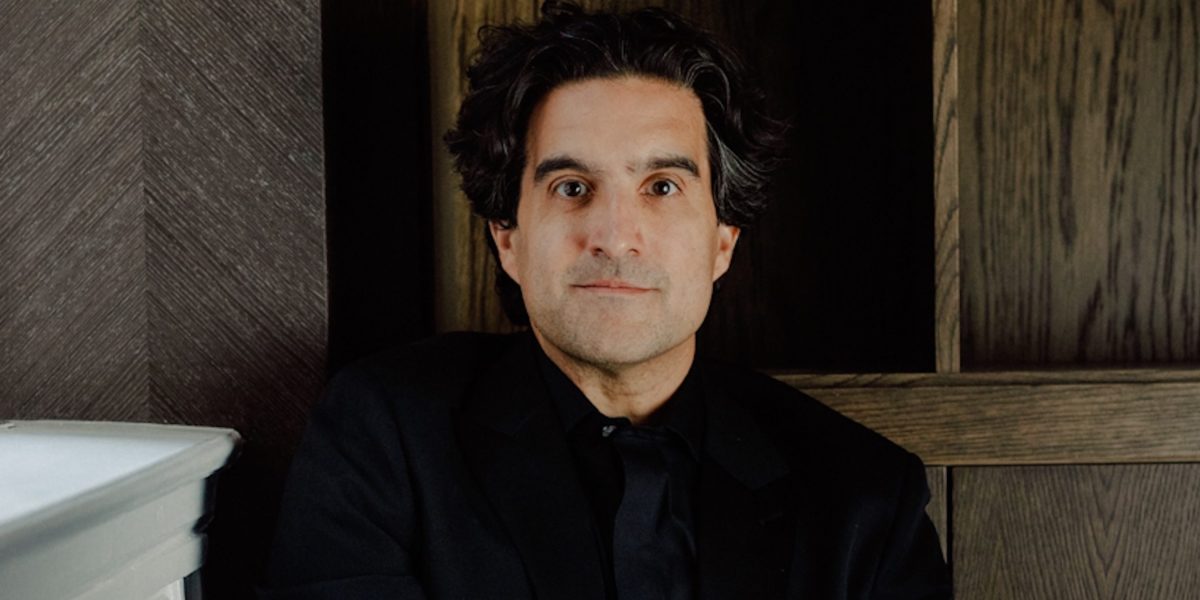

Federal Reserve Chairman Kevin Warsh faces his first real test since taking office in showing how he will address rising inflation at the upcoming Fed meeting amid pressure from President Donald Trump not to raise interest rates (Brendan SMIALOWSKI)
The US Federal Reserve goes into a key rate-setting meeting this week with markets expecting policymakers to pull the trigger on a rate hike to tackle persistently high inflation -- and analysts say central bank chief Kevin Warsh's credibility is on the line.
The world's largest economy has been dealing with years of higher-than-target inflation, and prices have surged in the wake of US President Donald Trump's war on Iran, his signature tariff policies and the ongoing AI boom.
The Fed has held rates steady since January, choosing to wait to gauge the effects of energy price shocks and to let the tariffs' effects on prices ripple through the economy.
In recent weeks, however, several Fed policymakers -- including Warsh himself -- have hinted that if inflation does not show clear signs of slowing, the central bank will have to act by raising interest rates.
On Friday, new data on consumer inflation for August showed it remaining steady at 3.4 percent -- no change from the month before, but still well above the Fed's long-term two percent target.
Market expectations of a 25-basis-point rate hike on Wednesday surged after the release of the data, with the probability at more than 85 percent according to CME's FedWatch tool.
The Fed last raised rates three years ago, when it was fighting surging inflation in the wake of the pandemic. They currently stand at between 3.50 and 3.75 percent.
Trump has railed against the Fed over interest rates since taking office for his second term, launching unprecedented attacks on the central bank's independence as he demands lower rates to spur economic activity.
Speaking on CNN on Sunday, Kevin Hassett, Director of the National Economic Council at the White House, said that he and Trump "think that there isn't a reason right now to raise rates," and claimed "progress" on inflation despite the key statistic remaining high.
Hassett invoked former Fed Chair Alan Greenspan, who was widely known for his faith in markets' ability to sort themselves out, saying "it's pretty important for the Fed to just leave things alone ahead of an election to preserve its independence."
Americans will vote in midterm elections in November, which could shift the balance of power in Congress.
The US president launched a criminal probe against previous Fed chair Jerome Powell, is attempting to fire another Fed governor and has even threatened to cut trade ties with certain countries if the Fed raised rates.
Warsh was appointed by Trump and analysts say this is his first real test since taking office: Will the Fed raise rates to combat inflation, or hold steady in line with what the White House prefers?