Refreshing the latest version...
Refreshing the latest version...
Published: Nov 4, 2026, 2:00 AM
Read Time: 2 min
0:00

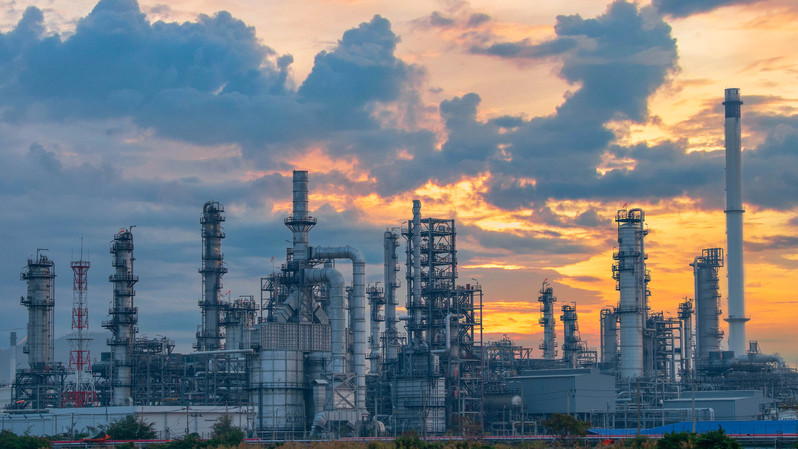
The war that began with U.S. and Israeli attacks on Iran caused the price of oil to surge and brought an escalating campaign by Houthi fighters, backed by Iran, against Saudi Arabia. Attacks on an international airport in Riyadh claimed more than a dozen lives, while missile strikes have damaged an Aramco headquarters building in the eastern Saudi city of Dhahran, two refineries and an oil processing facility at the Abqaiq oil field.
The attacks have also jeopardized Saudi Arabia’s plans to diversify its economy beyond oil and into one that can derive more growth from tourism, sports and technology. Last month the kingdom postponed its marquee investment conference, known as the Future Investment Initiative. On Tuesday the 2027 Asian Cup, a soccer tournament that was to be hosted in Saudi Arabia on Jan. 7, was postponed for about a year.
Oil prices rose after the U.S. military struck Iran’s Qeshm Island on Monday, though they pulled back on Tuesday. American officials described the strikes as limited, though President Trump has said he was considering an attack on Iran after the U.S. midterm elections if a diplomatic deal was not reached.
“Geopolitical uncertainty and attacks on key energy facilities continued to amplify the global energy supply crisis in the third quarter of 2026,” Amin Nasser, the chief executive of Aramco, said in a statement, calling the past months an “extraordinary period.”
Perhaps the most severe attack occurred in September when drones hit Saudi Arabia’s East-West pipeline, which stretches about 750 miles from its oil-producing Eastern Province to Yanbu, an export terminal on the Red Sea.