Refreshing the latest version...
Refreshing the latest version...
Published: Nov 11, 2026, 2:00 AM
Read Time: 2 min
0:00
Evaluating the annual global temperatures each year requires context. There is a fair amount of natural variability from one year to the next, so it’s important to focus on the trend over time. Famously, global warming did not end in 1998, as some claimed a couple of decades ago—we just had a run of La-Niña-dominated years after a very strong El Niño.
Annual greenhouse gas emissions are much less variable, having increased fairly steadily, but many complicating factors can still muddy the picture. Sometimes those factors conspire to throw a year off the trend. It looks like 2026 will be one of those years.
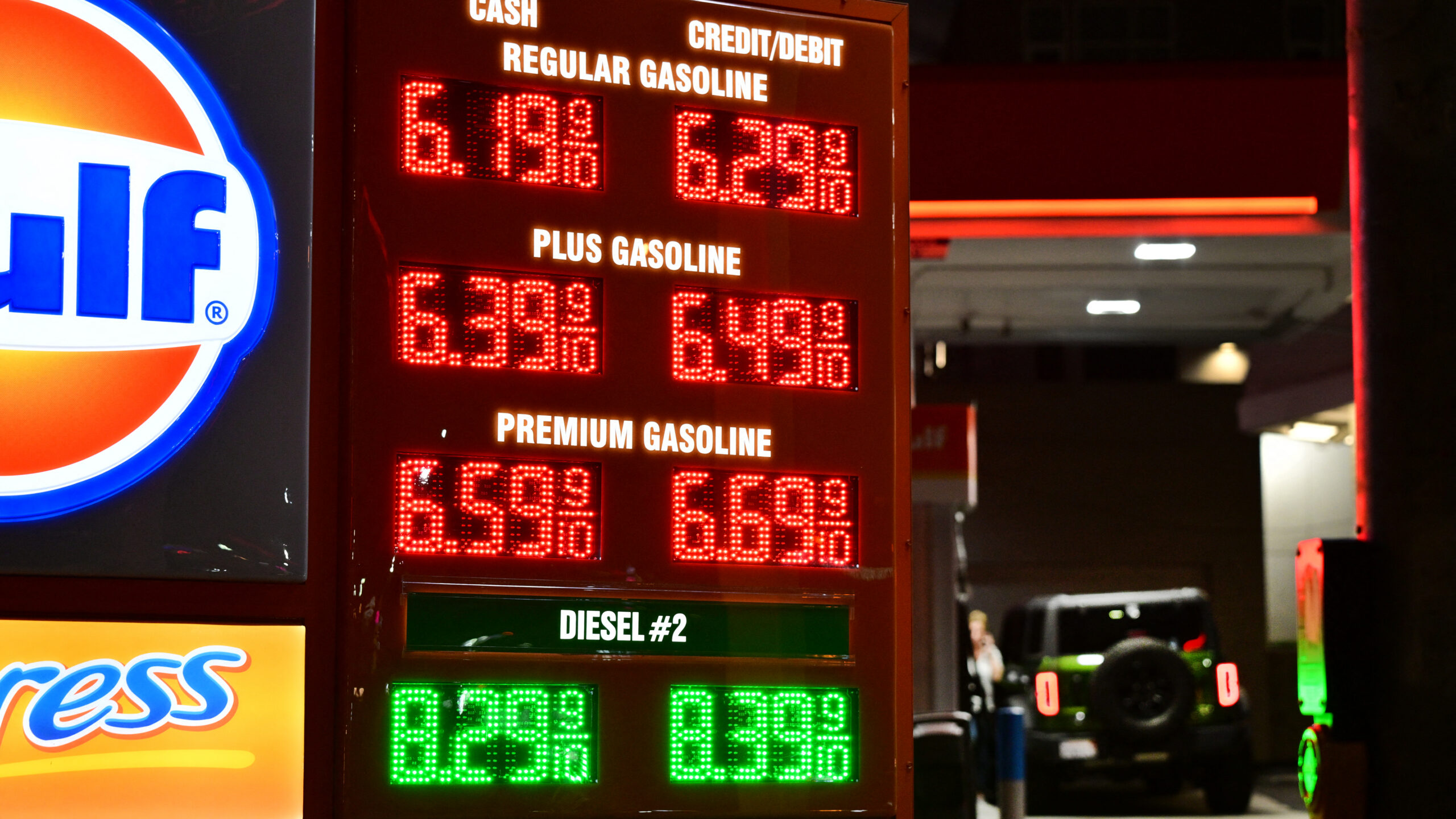
A new analysis led by Corinne Le Quéré at the University of East Anglia estimates that fossil fuel emissions have fallen about 0.4 percent from last year. This probably isn’t a peak that symbolizes heartening progress on climate change, though; the researchers think it’s a short-term dip driven by the war in Iran and its effect on oil prices.
Shifting percentages
This team works on the Global Carbon Project, which compiles stats on fossil fuel use and things like deforestation to track carbon emissions globally and by country. In this case, they looked at the stats and tried to pull out key underlying trends that show us what to expect over the next couple of years.
Last year, fossil fuel emissions increased 1.2 percent, a bit above the 2019–2025 average of 0.8 percent per year. This year’s decline featured a 1.9 percent drop in oil emissions, a smaller 0.3 percent drop in emissions from natural gas use, and a 0.6 percent increase in coal emissions.