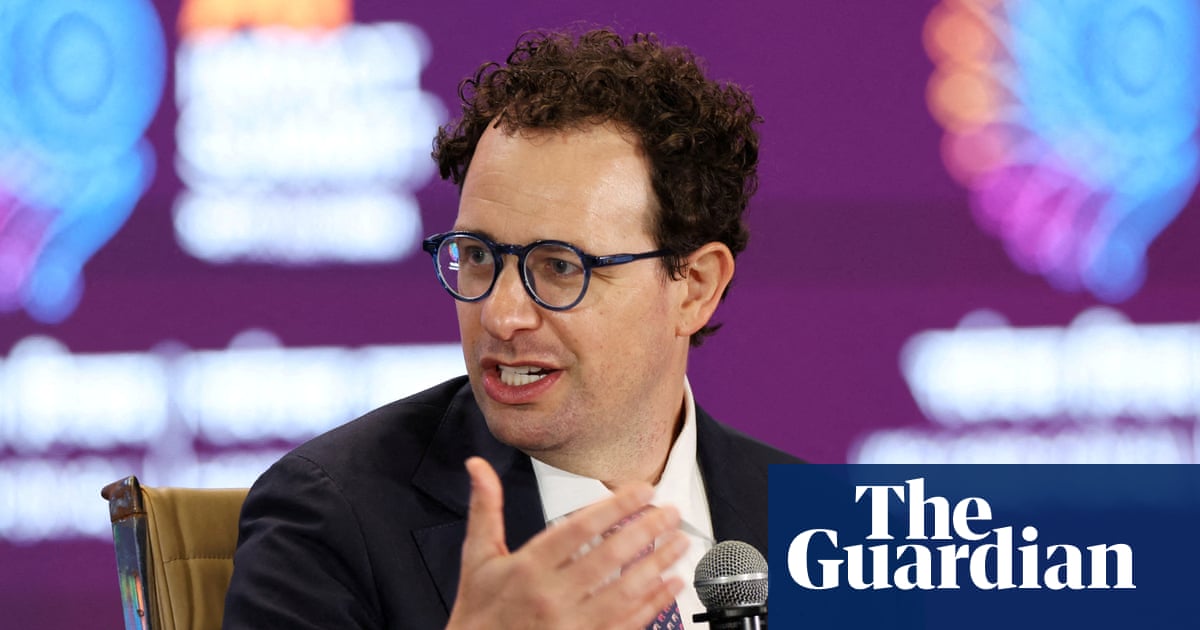

Michael Aiello, chair of Weil, Gotshal & Manges’s roughly 600-lawyer corporate department, member of its management committee, and a powerhouse in the indistry, is leaving for Cravath, Swaine & Moore. He is not going alone — Aiello is bringing a team of M&A partners with him, including corporate co-head Matt Gilroy, in a group reported to be around a half-dozen strong.
By any measure, that is a big loss. Aiello is one of the most sought-after dealmakers in the country, and losing your corporate chair and a chunk of his practice group in a single raid is the kind of thing that reshuffles a firm’s internal power structure whether it admits it or not.
Which brings us to the statements.
Cravath’s is a model of gracious recruiting. “I’ve known Mike Aiello for many years, and he and his team are extraordinarily talented M&A advisors and a unique fit within our culture,” presiding partner Faiza Saeed said, going on to praise their belief in collaboration, client service, and “the values that have long defined Cravath.”
Weil’s statement is… well, let’s take a look.
“Mike Aiello and his team have informed us that they are leaving the firm for a smaller platform,” the firm said. “Weil has long believed that an ambitious growth strategy is in the firm’s best interest and intends to accelerate execution of that strategy going forward. We thank Mike and his team for their contributions.”
Describing Cravath as a smaller platform is a choice.
Sponsored Content PI Firms Don’t Need More Tools. They Need Fewer. Every new tool a PI firm buys solves one problem and connects nothing. The real fix isn't another purchase — it's keeping the whole case in one place, from accident to resolution. Here's how.
Sure, Cravath has fewer lawyers than Weil… but it’s still fucking Cravath. Cravath is the white-shoe standard-bearer, the firm so central to Biglaw that the industry’s associate pay benchmark is literally called the Cravath scale (despite Milbank’s best efforts on that front) — the scale Weil’s own associates are paid on. Shading them as a lesser platform is wild.
Weil has an aggressive lateral strategy, the firm added 51 lateral partners since the start of last year. In a market where firms are dangling multi-year guarantees to chase $40 million rainmakers, Weil is on a genuinely ambitious growth path. And perhaps the rapid expansion is part of the relevant backdrop that helped motivate the departure — I don’t know. But I definitely know snark when I read it.