

The US economy added a forecast-beating 172,000 jobs in May, but there were few smiles on Wall Street where the data was seen as a signal the US Federal Reserve will raise interest rates (MARIO TAMA) · MARIO TAMA/GETTY IMAGES NORTH AMERICA/Getty Images via AFP
Wall Street's key indices closed heavily in the red on Friday, hit by a massive sell-off in technology stocks following a recent surge driven by AI investment, and fears of US Fed rate hikes on the horizon.
Oil prices retreated despite continued clashes in Lebanon, with no apparent progress in reaching a US-Iran peace deal that would open up energy exports through the Strait of Hormuz.
Data showed the US economy added 172,000 jobs in May, far more than the 80,000 expected by economists polled by Dow Jones Newswires and The Wall Street Journal.
Figures for the last two months were also revised higher by 93,000 indicating the US economy is resilient as rising energy costs from the Middle East war begin to hit consumers and businesses.
While the figures are "good news for the US economy, borrowers and investors may feel differently," said eToro analyst Bret Kenwell.
In a best scenario, he said, a rapid resolution of the conflict that allows oil prices to drop would allow the US Federal Reserve to ride out the recent spike in inflation.
"However, if policymakers even start talking about rate hikes or taking a more hawkish posture, that could throw cold water on the recent stock market surge," Kenwell said.
Yields on US Treasury bonds rose in response to the data as investors anticipated higher rates to come from the Fed.
The dollar rose against main rivals as well.
"This report adds to pressure on the Fed to drop its easing bias, but it may not trigger a rush to price in rate hikes anytime soon," said Kathleen Brooks at XTB.
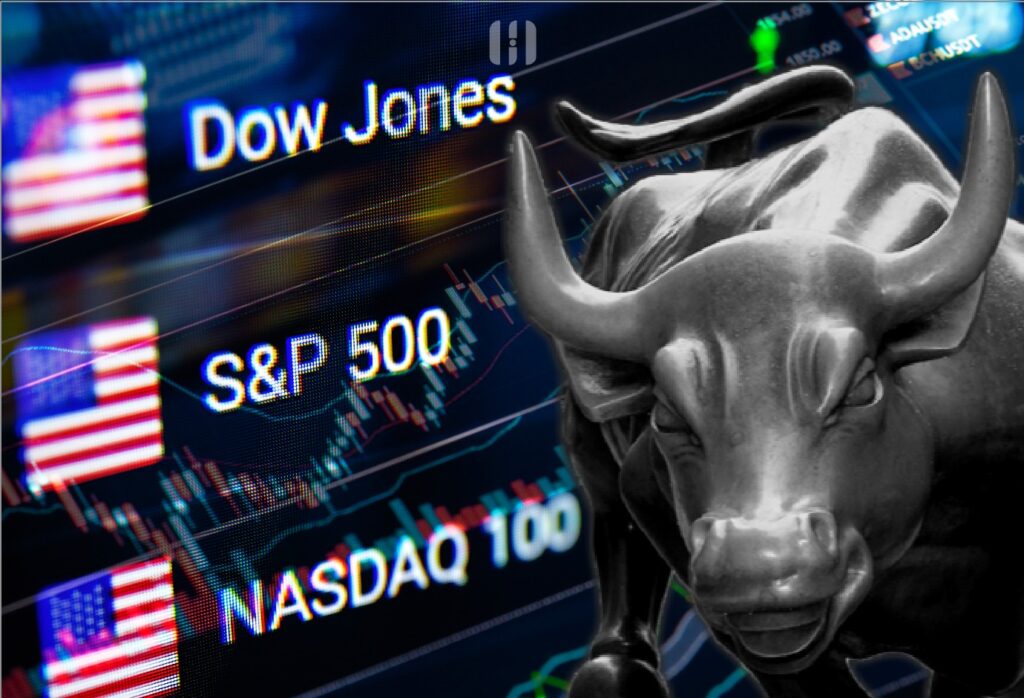
Wall Street's main indices all saw significant losses, with the Nasdaq plunging more than four percent, the S&P 500 more than two percent and the Dow more than one percent.
After pushing equity markets to record highs this year, technology firms are facing selling pressure on concerns that the eye-watering sums pumped into AI may have been overdone.
The so-called "Magnificent Seven," which includes AI players Nvidia, Google-parent Alphabet and Meta, closed lower.
Meta's stock was also weighed down by reports the company was considering a stock offering to raise tens of billions of dollars in funding for its AI push.
US chipmaker Broadcom also sparked concern this week after its revenue forecast for the third quarter undershot expectations.
Broadcom's shares fell almost eight percent on Friday, and those of rival Micron Technology dropped more than 13 percent.
"Everyone's realizing that perhaps this rally off the March lows has run its course for the time being," said Briefing.com's Patrick O'Hare.