




The Trump administration on Thursday approved Nexstar’s $6.2 billion takeover of rival TV station owner Tegna in a merger that will reshape the local media landscape across the country.
The Federal Communications Commission and the Justice Department approved the merger a day after eight state attorneys general filed an antitrust lawsuit to stop it. The FCC allowed Nexstar, the largest TV station owner in the country, to acquire Tegna by waiving a long-standing federal limit on the size and scope of TV broadcasters.
That provision, known as the National Television Ownership Rule, prevented an information monopoly by barring a single entity from owning television stations that collectively reach more than 39% of all U.S. households.
Now, Nexstar will own and operate 265 local TV stations across 44 states. That’s on top of operating NewsNation networks and the CW. There are 210 TV markets in America, and Nexstar will operate in about 132 of them.
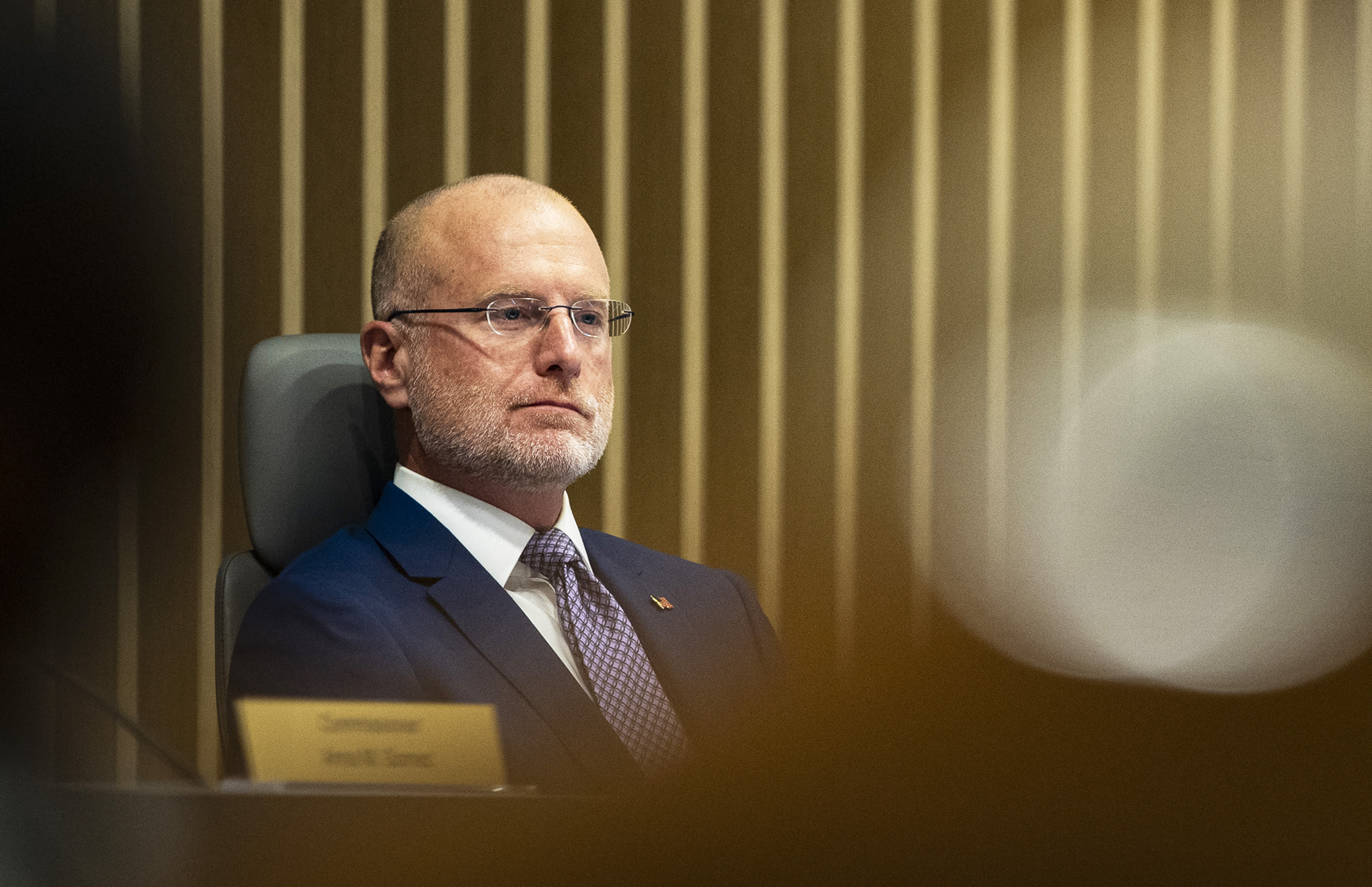
In a statement on the merger, Nexstar CEO Perry Sook thanked President Donald Trump and FCC Chairman Brendan Carr for “enabling this transaction to move forward.”
When Nexstar filed for the merger in August, Trump was opposed to the idea. But after the company yanked late-night TV host Jimmy Kimmel’s show off the air in the wake of comments he made about Charlie Kirk, the Turning Point USA founder who was fatally shot the next month, the president abruptly reversed course.
Trump, who recently applauded himself for “inventing” the term “fake news,” urged the FCC to approve the merger in a TruthSocial post earlier this year. “We need more competition against THE ENEMY, the Fake News National TV Networks,” Trump wrote.
“Those that are opposed don’t fully understand how good the concept of this Deal is for them, but they will in the future. GET THAT DEAL DONE!” he added.
But those who are opposed have serious concerns about the implications the merger will have for America’s local news and information landscape. National broadcasters have received multiple threats from Trump and Carr over what they believe to be unfavorable coverage of the administration.
Anna Gomez, the lone Democratic FCC commissioner, condemned the merger in a statement. Gomez said it had been approved “behind closed doors” with “no transparency for the consumers and communities who will bear the consequences.” Recommended Opinion What Brendan Carr’s media threats are really about Paul Farhi Trump Media enters $6 billion deal with fusion energy company Sydney Carruth News “Given the increasingly alarming pace of reckless media consolidation, the American public deserves to know how and why this decision was made,” Gomez said, adding that the merger will concentrate broadcast power into fewer corporate hands and shrink independent editorial voices. Nexstar seized on Trump’s language and buzzwords in its merger filings, describing itself as “the anti-fake news” in “an age of disinformation and political agendas.” California Attorney General Rob Bonta, speaking on behalf of the attorneys general who filed the antitrust suit, echoed Gomez’s concern. “When broadcast media is owned by a handful of companies, we get fewer voices, less competition, and communities lose the critical check on power that local journalism delivers,” Bonta said. During a White House event after the FCC approved the merger, Trump praised Carr, tasked with regulating America’s news and information landscape, as “the most powerful man in this room.” Sydney Carruth Sydney Carruth is a breaking news reporter covering national politics and policy for MS NOW. You can send her tips from a non-work device on Signal at SydneyCarruth.46 or follow her work on X and Bluesky.