






The Guardian
Marmite maker Unilever in talks to merge food business with US-based McCormick
Fri, 20 Mar 2026 20:22:41 GMT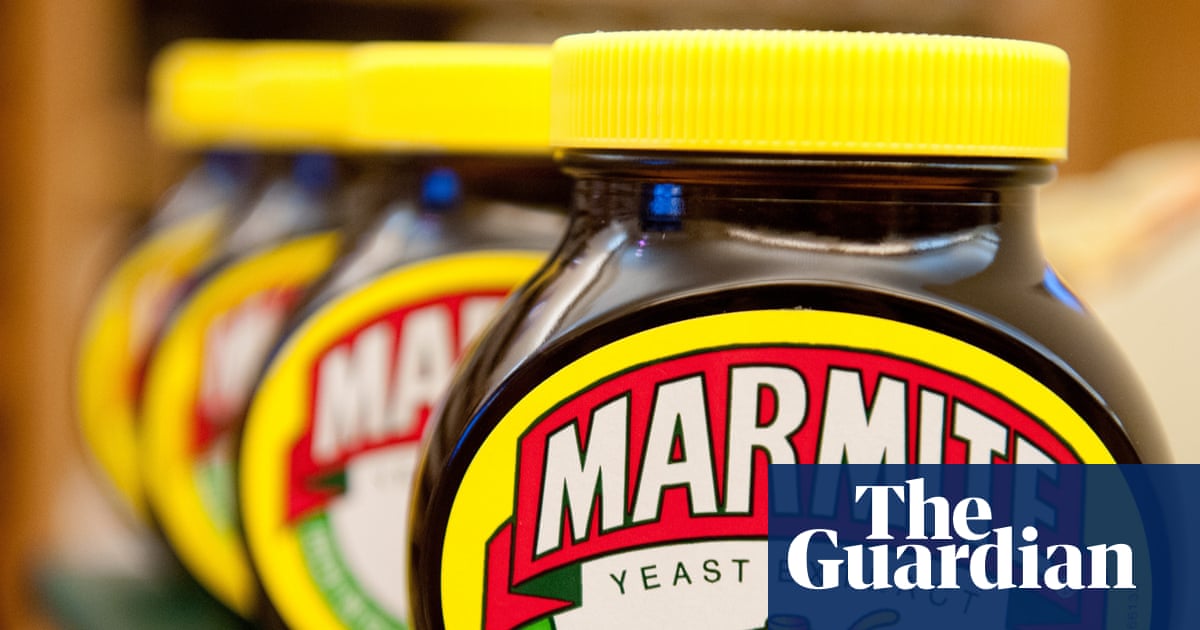
Unilever, the owner of Marmite, Dove and Hellmann’s mayonnaise, is in talks to combine its food business with the US-based spice and seasoning maker McCormick.
The Anglo-Dutch food company – which last year spun off its ice-cream division, the home to Ben & Jerry’s, Magnum and Wall’s – has entered discussions over the future of the “highly attractive” business.
Unilever is valued at almost £100bn, and its food unit, which includes brands such as Knorr, could be worth tens of billions of pounds.
McCormick, which owns brands including French’s yellow mustard, Old Bay seasoning and Cholula hot sauce, is valued at about $15bn (£11bn).
“Unilever confirms that it has received an inbound offer for its foods business and is in discussions with McCormick & Company,” the Marmite maker said in a statement.
“The board believes foods is a highly attractive business, with a strong financial profile led by market-leading brands in growing categories and is confident in the future of the foods business as part of Unilever. There can be no certainty that any transaction will be agreed.”
The companies are exploring an all-stock deal and if an agreement can be reached it would leave Unilever focused on beauty, personal care and home products.
Earlier this year, Fernando Fernández, the chief executive of Unilever, said the company was looking to shift away from food. “We are really shifting our portfolio into more beauty, more wellbeing, more personal care,” he told a conference in New York.
It was reported this week that Unilever had previously held talks with Kraft Heinz to combine their food operations.
Over the past decade the company has sold off its spreads business, which included brands such as Flora and I Can’t Believe It’s Not Butter, in 2017; most of its tea business, including Lipton, PG Tips and Tazo, was sold in 2022 before last year’s listing of the ice-cream business.
Unilever has also disposed of brands including The Vegetarian Butcher and the healthy snacking brand Graze.
If Unilever completes the deal with McCormick it could mark the end of nearly a century competing against major food rivals including Kraft Heinz, Nestlé and PepsiCo.
The deal would leave the group positioned to compete directly with major household and personal care companies including L’Oréal, Beiersdorf and Estée Lauder.
Fernández has said that, over the medium term, he aimed to generate two-thirds of Unilever’s revenues from brands such as Dove, Liquid IV hydration sachets and Dermalogica skin care.
“Urbanisation, wealth expansion, massive entry of the female gender in the labour market, low fertility rates, massive adoption of healthy lifestyles – this all plays in favour [of these categories],” he said earlier this year.
Unilever has explored several big deals of its own in recent years, including making an approach for GlaxoSmithKline’s consumer health unit in 2021.
In December, Fernández said Unilever was now only focused on small “bolt-on” acquisitions in the beauty and personal care space. “Transformational acquisitions are off the table. So we are not looking at that at this stage,” he said.
Shares in Unilever rose more than 1% in early trading on Friday.