




Ars Technica
RFK Jr. forces FDA to reconsider 12 unproven peptides after 2023 ban
Thu, 16 Apr 2026 22:15:20 GMT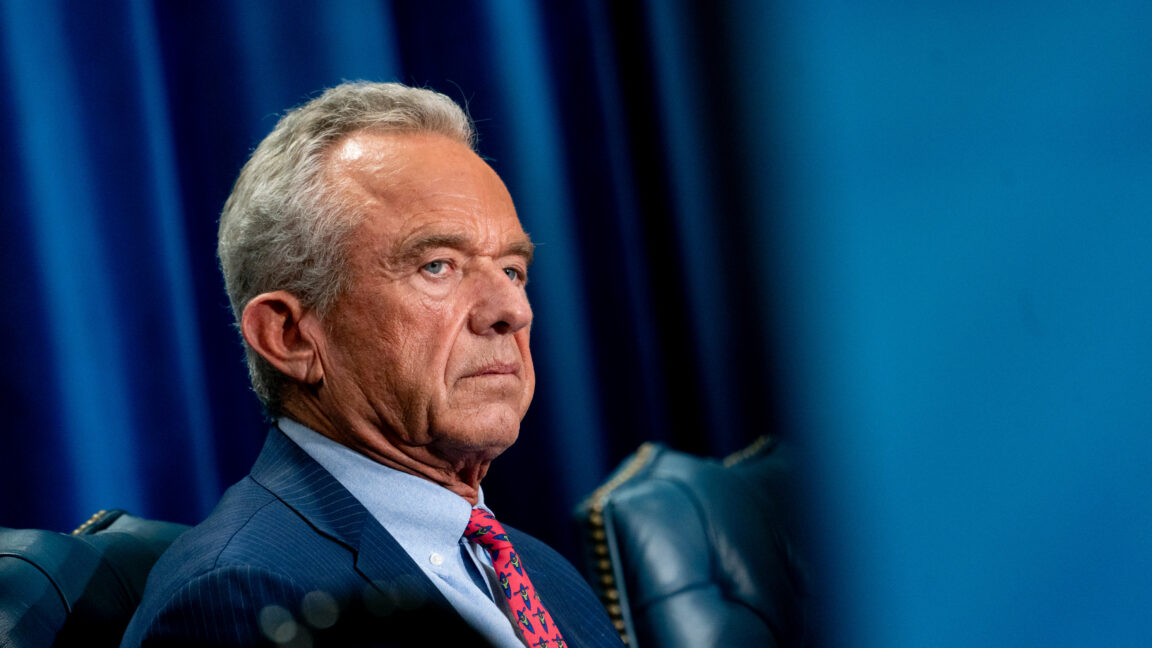
The Food and Drug Administration on Wednesday announced meeting dates for advisors to discuss lifting restrictions on 12 unproven peptides that the agency deemed to pose significant safety risks in 2023. The meetings are scheduled for two days in July, with another in February 2027.
The scheduled meetings do not appear to be accompanied by any significant new safety or efficacy data for FDA advisors to discuss. Rather, the FDA is being pushed to ease restrictions on these peptides at the behest of anti-vaccine Health Secretary Robert F. Kennedy Jr., who has described himself as a “big fan” of the unproven drugs.
Peptide drugs are simply those made of short chains of amino acids linked by peptide bonds. FDA-approved peptide drugs include insulin for diabetes and GLP-1 drugs for obesity. But online, peptides typically refer to unproven drugs, often given by injection, that are peddled without evidence as treating various conditions, reversing aging, and improving appearance. This category has seen a boom in popularity among wellness influencers, including Kennedy and many of his allies.
Peptide proponents
Kennedy, who has no background in science or medicine, has repeatedly championed peptides and touted his use of the unproven drugs, which are currently available on the black and gray markets. In a February appearance on Joe Rogan’s podcast, Kennedy said he used them to treat injuries to “really good effect.” He has also previously vowed to end the FDA’s “war on peptides.”
In a social media post on Wednesday, Kennedy built on that rhetoric, saying that with the agency’s scheduled meetings, “we took long-overdue action to restore science, accountability, and the rule of law.”
He claimed that in the meetings, “independent experts will rigorously evaluate each substance on its scientific merits using full clinical, pharmacological, and safety evidence.”
But outside experts are highly skeptical of the meetings. Currently, the FDA advisory panel that will review the drugs—the Pharmacy Compounding Advisory Committee (PCAC)—only has three voting members and one industry representative. There are six vacancies, including the chairperson.