




Breaking News, Latest News and Videos
Tomatoes, seafood and more: Why are these grocery prices soaring? - ABC News
Thu, 14 May 2026 13:32:47 GMT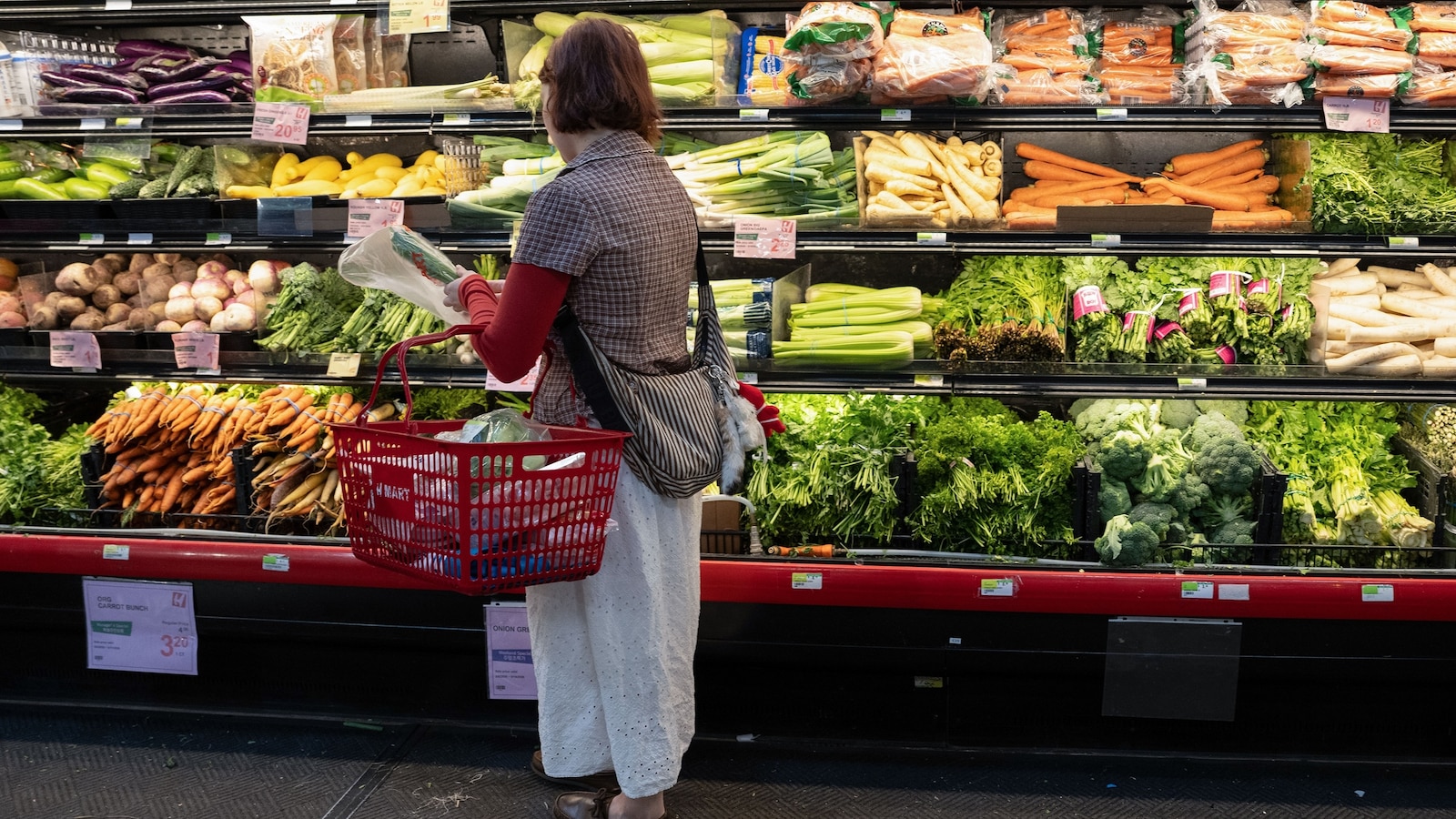
A historic oil shock has driven up supply chain costs, some analysts said.
Tomatoes, seafood and more: Why are these grocery prices soaring?
A customer shops in the produce section of a grocery store, May 11, 2026, in Portland, Ore.
A customer shops in the produce section of a grocery store, May 11, 2026, in Portland, Ore.
A customer shops in the produce section of a grocery store, May 11, 2026, in Portland, Ore.
A customer shops in the produce section of a grocery store, May 11, 2026, in Portland, Ore.
Grocery prices in the U.S. soared faster in April than any month in nearly four years, driving up the cost of everything from frankfurters to tomatoes to cupcakes, government data this week showed.
Fresh vegetables cost 11.5% more than they did a year ago. Seafood prices are up 6.2% over that time, according to the data from the Bureau of Labor Statistics (BLS).
The jump in food prices stems in part from a historic oil shock set off by the Iran war, which increased diesel costs, some analysts told ABC News. Diesel is the lifeblood of the food supply chain, fueling trucks and ships. Higher fuel costs for suppliers mean price hikes in grocery aisles as the increased costs are passed down the supply chain.
Tariffs and weather-related shortages, analysts added, helped push up prices for some food items, worsening the strain on shoppers’ wallets.
“Whenever there is disruption in energy markets, it works its way into food prices eventually,” Parke Wilde, a food economist at Tufts University, told ABC News. “I think that’s what we’re seeing.”
A customer shops for produce at an H-E-B grocery store, May 11, 2026 in Austin, Texas. Brandon Bell/Getty Images
The war prompted the Iranian closure of the Strait of Hormuz, a maritime trading route that facilitates the transport of about one-fifth of global oil supply. The oil shortage sent the price of diesel surging – it's currently 60% higher than a year ago, exceeding the rise in regular gasoline over that time, AAA data shows.
Perishable foods like produce and meats are particularly sensitive to a rise in diesel costs, since their short shelf life leaves them especially vulnerable to sudden increases in supply-chain costs, some analysts said.
Prices for fresh fruits and vegetables soared 2.3% in April from March. Over the past year, fresh produce prices have jumped 6.5%, more than double the rise in overall food prices, according to BLS data.
A rise in dairy prices also spotlights the impact on perishable goods. Dairy products surged 0.8% in April, according to the BLS, after having declined 0.6% in each of the two previous months.
Perishable foods are the “canary in the coal mine when we look at the impact of high diesel costs on groceries,” David Ortega, a food economist at Michigan State University, told ABC News.
Tomato prices, meanwhile, have soared an eye-popping 39% over the past year, BLS data showed. Analysts said the rise in tomato prices is owed in part to energy costs, but it also traces back to tariffs and crop shortages.
Grocers in the U.S. import a large share of their tomatoes from Mexico, but weather-related damage in that country has slashed tomato output, Ortega said. A dearth of supply has failed to keep up with demand, pushing up prices. At the same time, a 17% tariff on tomatoes from Mexico took effect last year, ratcheting up costs for foreign suppliers.
“The impact we’re seeing is not just driven by one factor. It’s really a combination,” Ortega said.
Analysts acknowledged volatility in month-to-month food prices, suggesting uncertainty about the exact cause for any given food item. The trend, they added, could shift over the coming months.
“There’s a lot of noise in the monthly data,” Preston Caldwell, chief U.S. economist at Morningstar, told ABC News.
To be sure, annual grocery price increases remain well below a recent peak attained during the pandemic. Prices for food at home rose 2.9% over the year ending in April, clocking in well below annual inflation for groceries of more than 11% in 2022.
Still, some products are rising at highly elevated levels. Coffee prices jumped 18.5% over the year ending in April, according to BLS data, while beef prices rose 14.8% over that time. In both cases, the rise in prices preceded the Iran war, but the uptick accelerated in April.
Drought-related shortages have helped drive the rise in coffee and beef prices, Ortega said. Tariffs on the two products also pushed their prices up, but the Trump administration removed those levies last fall.
Another reason for these rising prices, Ortega added: buyers remain undaunted by sticker shock.
“Even at these high prices, consumption hasn’t decreased much,” Ortega said.