



Yahoo Finance
Fed Chair Kevin Warsh and the FOMC Will Likely Take the First Step Toward Dropping the Hammer on Trumpflation This Week
Mon, 15 Jun 2026 13:26:21 GMT
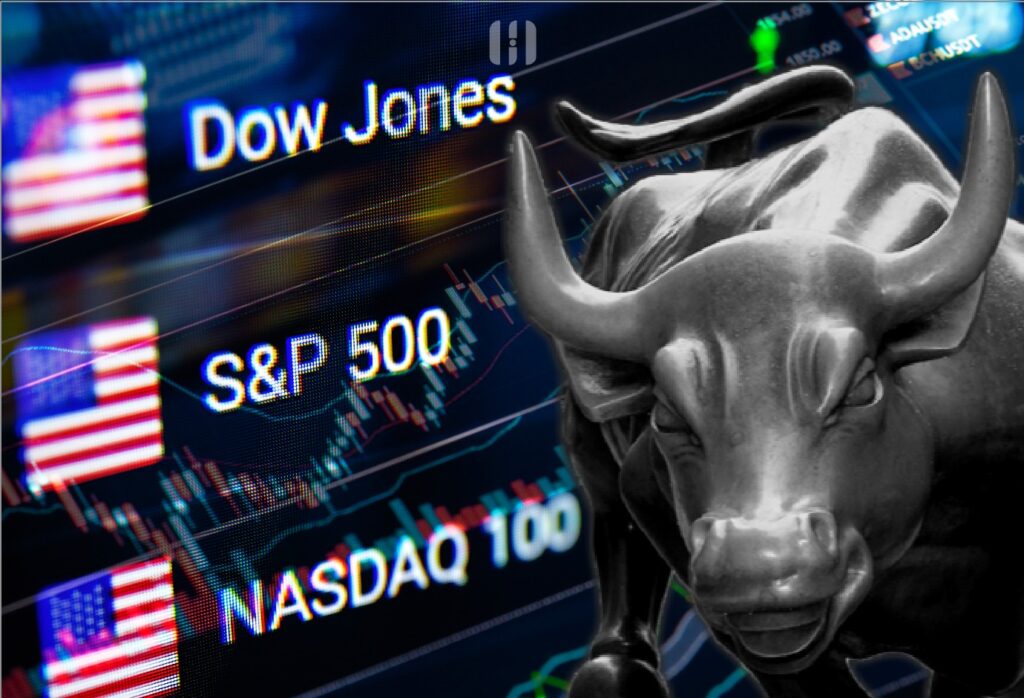
It's been an eventful past month on Wall Street. The Dow Jones Industrial Average (DJINDICES: ^DJI), S&P 500 (SNPINDEX: ^GSPC), and Nasdaq Composite (NASDAQINDEX: ^IXIC) jumped to fresh highs, while a changing of the guard was made official at the Federal Reserve. Jerome Powell served his final day as Fed chair on May 15, while Trump's handpicked successor, Kevin Warsh, was sworn in on May 22.
Something else that's set the tone on Wall Street is the monthly inflation report from the Bureau of Labor Statistics. In May, trailing 12-month inflation soared to 4.2%, representing a three-year high.
Missed Nvidia in 2009? This Rare Signal Is Flashing Again. In 2009, a "Double Down" signal flashed for a little-known chipmaker called Nvidia. For the first time in years, that same "Total Conviction" signal is flashing for a company 1/100th the size of Nvidia. Continue »
Fed Chair Kevin Warsh delivering remarks. Image source: Official White House Photo by Daniel Torok.
This coming Wednesday, June 17, Fed Chair Kevin Warsh and the other 11 voting members of the Federal Open Market Committee (FOMC), who determine our nation's monetary policy, are likely to take the first step toward dropping the hammer of President Trump's Iran-war-driven inflation (better known as "Trumpflation").
Fed Chair Warsh's first FOMC meeting in charge should yield a subtle but significant shift
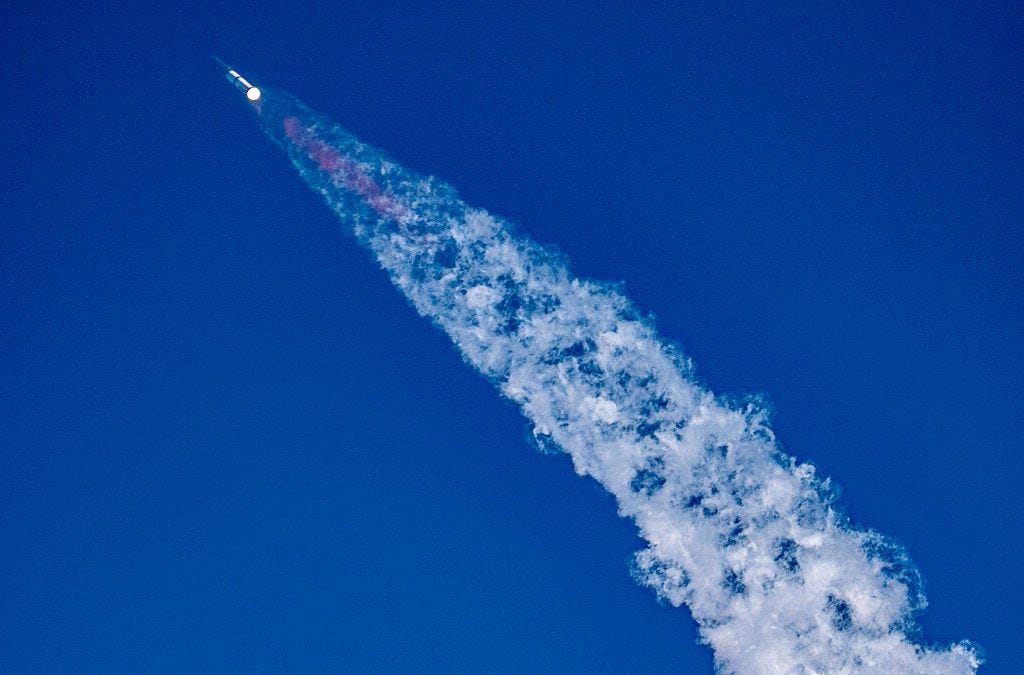
Aside from the monthly inflation report and the SpaceX IPO, few topics are garnering more attention than the Fed's take on interest rates. While the consensus expectation is that the FOMC will leave the federal funds target rate unchanged on June 17, Warsh and other FOMC members are likely to make a subtle yet powerful change to monetary policy.
Powell's final meeting as Fed chair on April 29 featured a record four dissents. Three of these dissents were in opposition to the FOMC's continued use of its easing bias statement. In other words, this statement indicates that the central bank is more inclined to cut interest rates to stimulate economic activity than it is to raise rates.
However, the April Fed meeting minutes, released in mid-May, indicate that a majority of FOMC members opposed the easing bias statement. The first official act that Warsh may oversee as Fed chair is a subtle but meaningful shift from an easing bias to a neutral one.