
:max_bytes(150000):strip_icc()/GettyImages-2245999369-118d1e93bcea44eb807b8c20a8d1dc8b.jpg)

CNBC
Nasdaq turns positive in major comeback as traders buy the dip after U.S.-Iran attacks: Live updates
Mon, 02 Mar 2026 16:22:49 GMT
A trader works at his desk on the floor of the New York Stock Exchange (NYSE) at the opening bell on March 2, 2026, in New York City.
The Nasdaq Composite rose on Monday, rebounding from its losses earlier in the day, as investors monitored the U.S. and Israel attack on Iran over the weekend.
The tech-heavy Nasdaq rose 0.1%. The Dow Jones Industrial Average dropped 118 points, or 0.2%. The S&P 500 lost 0.2%.
The three major averages rallied off their nadir of the session as gains in technology stocks such as Nvidia and Microsoft helped trim the losses. The Nasdaq was down as much as 1.6% at one point, while the S&P 500 and Dow pulled back around 1.2% each at their nadirs.
Gold futures jumped 1% as investors piled into the global safe-haven asset. The CBOE Volatility Index , Wall Street's fear gauge based on option prices used to hedge against losses, jumped to the highest levels of 2026 so far.
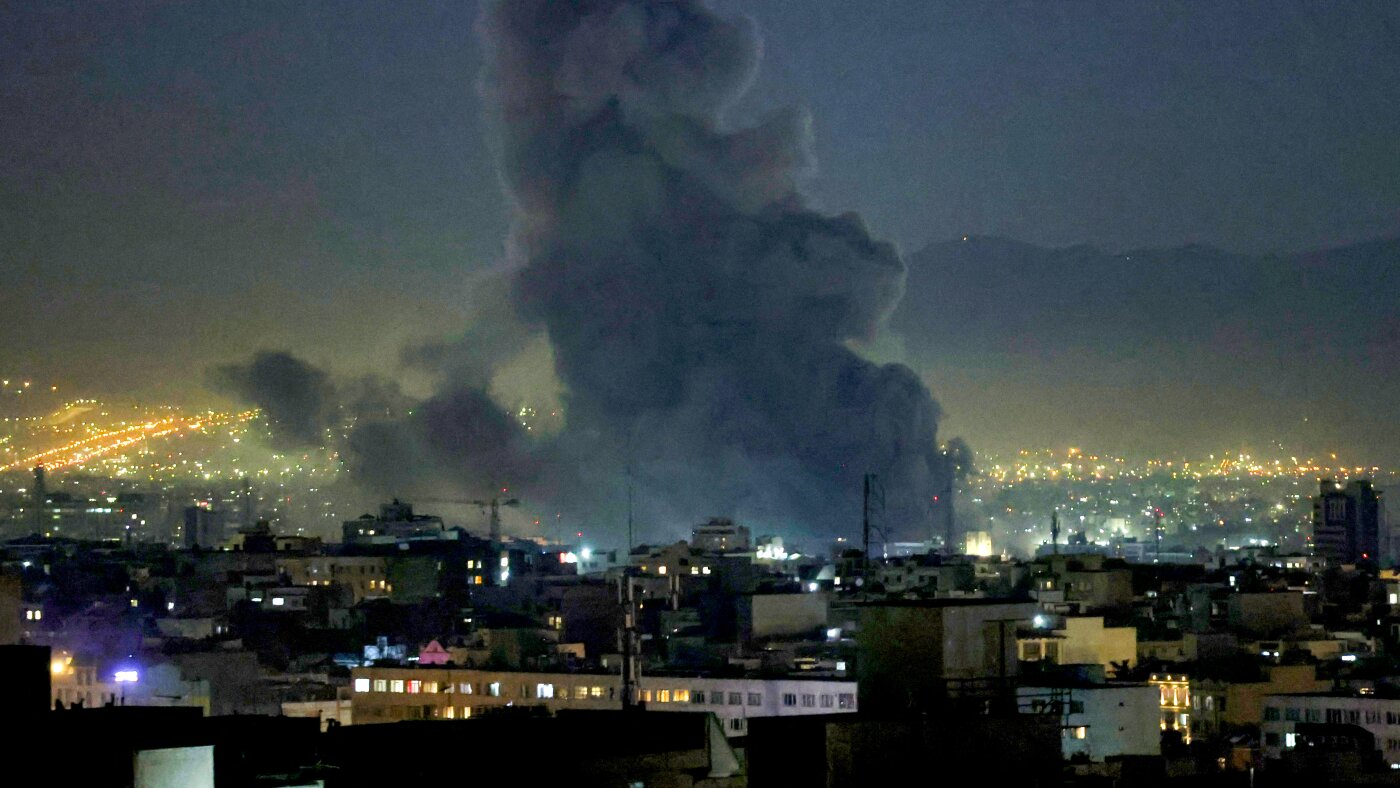
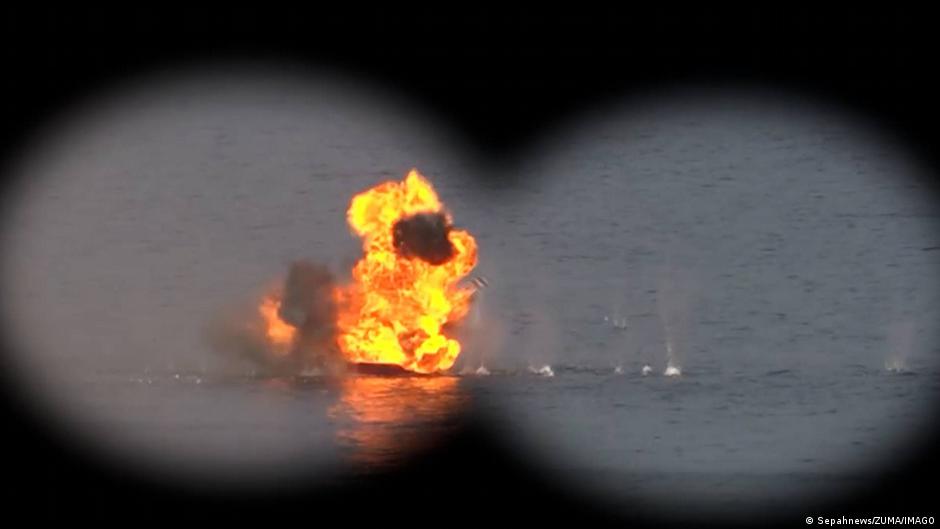
The joint U.S.-Israeli strikes killed Supreme Leader Ayatollah Ali Khamenei, marking a watershed moment for the Islamic Republic and one of its most consequential episodes since 1979. Iranian officials vowed a forceful retaliation against the strikes, raising fears the conflict could escalate further across the region as blasts were heard in places such as Dubai and Abu Dhabi.
President Donald Trump told CNBC's Joe Kernen that U.S. military operations in Iran are "ahead of schedule," but investors are worried about a prolonged conflict despite those comments.
"The tail risk of a sustained conflict is higher than in 2024 or 2025, though we don't see this war escalating to a point where it drastically changes the US outlook," said Barclays' Ajay Rajadhyaksha in a note. But he said early this week "is too early to buy any dip, especially with investors used to a pattern of quick de-escalation."
U.S. crude prices gained as investors worried the confrontation could spiral into a broader war that disrupts supplies. Iran is the fourth-largest oil producer in OPEC. Though crude prices were off their highs of the day, which helped sentiment, they were still last up more than 6%.
The oil market's trajectory may hinge on whether fighting disrupts traffic through the Strait of Hormuz, the world's most important chokepoint for crude flows. A sustained interruption there could reverberate through global energy markets and reignite inflation pressures.
"Broader uncertainty suppresses investor sentiment, which can broadly weigh on risk-assets globally," said Adam Hetts, global head of multi-asset at Janus Henderson. "In a prolonged period of uncertainty, increases in oil prices could generate a global inflationary scare."
On top of tech, a rise in defense stocks helped the major averages recoup a chunk of their losses. Northrop Grumman advanced around 4%, as did RTX , while Lockheed Martin climbed 3%. Energy shares including Exxon Mobil and Chevron saw gains as well.
The geopolitical escalation compounds an already fragile backdrop for stocks. The S&P 500 sold off Friday and finished in the red for February amid renewed turmoil in artificial intelligence and software shares.
Fears that automation may erode business models and trigger mounting layoffs have weighed on sentiment, raising concerns about spillover effects on the broader economy.
"All told, we presume a shorter-term impact, but can't rule out a more protracted friction to equities," said Citi equity strategists in a note to clients about the Middle East conflict. "We also need to bucket this new volatility event alongside a growing list of concerns. Namely, the AI spending boom seems poised to persist, but the productivity promise is quickly facing off against AI-triggered business-model disruption."