






Despite higher fares, "bookings have remained resilient amidst these changes, which is an encouraging sign," JetBlue Airways CEO Joanna Geraghty said Tuesday on an earnings call.
Domestic economy ticket prices are up 21% from a year earlier to an average of $570, while premium-seat prices rose 17% to an average $1,444 per trip, ARC data released April 16 shows.
In March, travel-agency ticket sales rose 12% from a year ago to $10.4 billion, with the number of domestic trips up 5% and international up 1%, according to the Airlines Reporting Corp.
The price spike hit just ahead of spring break and is eating into airline profits this year . But the booking trends show resilient consumers are prioritizing travel, and executives have a bright outlook for the peak summer demand months, which now trail off in August. There are still questions about how demand will hold toward the end of the year since travelers don't tend to book that far in advance.
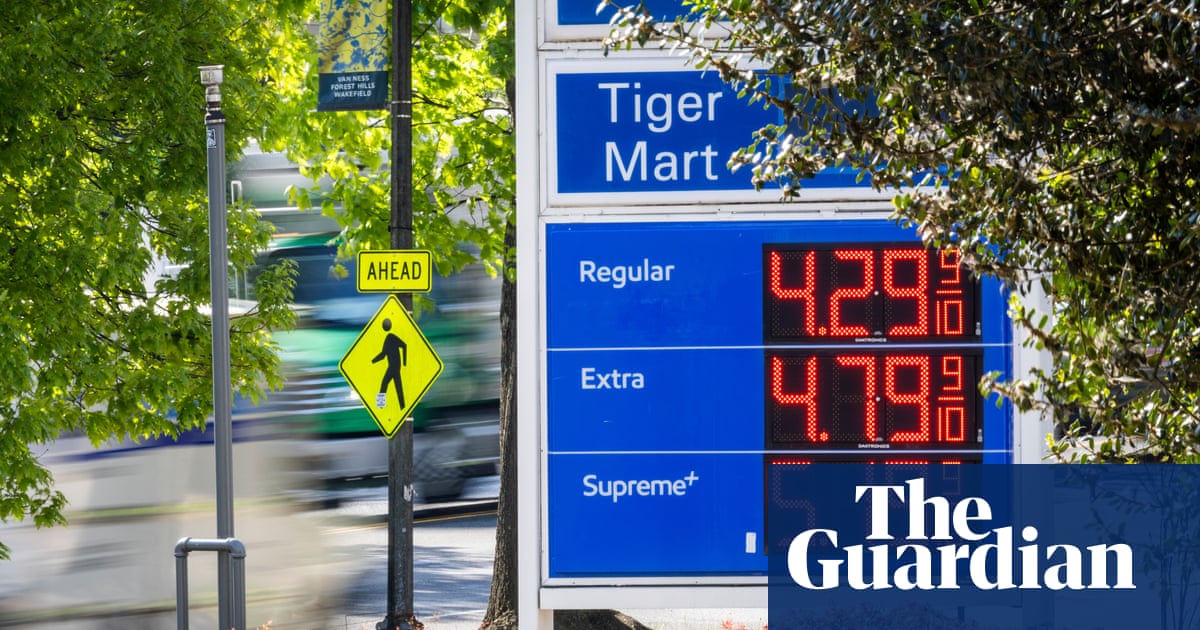
Jet fuel prices have surged this year since the attacks on Iran that began two months ago led to the Strait of Hormuz effectively closing. For now, airline executives say travelers are still flying, increasingly covering the bill.
U.S. airlines have reported that the Iran war is adding more than $6 billion and counting to their costs this year.
But JetBlue and major carriers this month told Wall Street that they expect customers to cover the higher jet fuel costs by early 2027, if not the end of this year. Carriers have trimmed capacity to cut costs, which also can boost airfare.
JetBlue on Tuesday forecast second-quarter revenue would increase as much as 11% from a year earlier even as Geraghty called the war's impact the industry's biggest headwind since the Covid pandemic.
American Airlines on Thursday said it expects an increase of 13.5% to 16.5% in revenue for the second quarter.
"We've always been really sharp in terms of managing our load factors, and we see our loads keeping pace with the capacity adds," American CEO Robert Isom said on an earnings call. "That would suggest that we're seeing the real benefit in yields right now."
Delta Air Lines and United Airlines , which make up the majority of the U.S. industry's profits, were also upbeat about fare growth, especially as airlines depend more on growth from seats like first class or premium economy that can cost thousands of dollars more than economy-class options.
Low-cost, domestic-focused airlines, which tend to have fewer premium options, have struggled. Budget carriers represented by the Association of Value Airlines, including Frontier Airlines and Avelo Airlines are seeking $2.5 billion in relief from the Trump administration to help cover the jump in fuel prices, the group said Monday.
Frontier is set to brief Wall Street analysts next week about its outlook for the year and will likely face questions about its ability to recapture costs with lower average fares than large rivals.
Even if oil prices come down, it's not likely to mean immediate relief for jet fuel prices, since that product includes refining and transportation costs that take longer to show up.
"It's possible especially given air ticket prices have grown well below general inflation since COVID" that fares stay high, wrote UBS airline analyst Atul Maheswari on Monday. "As such, we think there is room for airfares to go up and stay higher. This could drive significant earnings growth and margin expansion for airlines in 2027 should jet fuel prices moderate. That said, we think demand would need to hold steady for airlines to maintain pricing next year."